Ask five companies to quote for “a website” and you may receive five very different numbers. That is not because some are dishonest, but because “a website” can mean anything from a single page to a full online store with integrations. Understanding what drives the price helps you compare quotes fairly and avoid paying twice.
1. What the website needs to do
The single biggest factor is purpose. A brochure website that explains your services and collects enquiries is the simplest. An online store needs product management, payments, shipping and order handling. A web application, such as a booking system, customer portal or dashboard, needs custom logic, user accounts and databases. Be clear about which one you need before asking for quotes.
2. Number and type of pages
Ten pages that share one layout cost less than ten pages that each need a unique design. Ask yourself which pages are truly different (home, service, product, case study, contact) and which can reuse a template. A good developer will build reusable sections so you can add pages later without extra cost.
3. Custom design or template
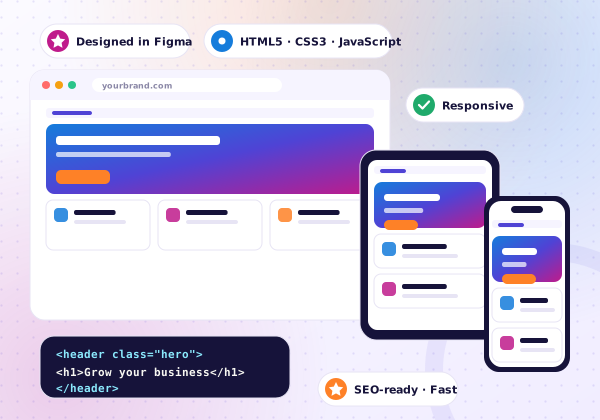
A ready-made theme is faster and cheaper, but it looks like other sites and often carries code you don’t need, which can slow it down. A custom design, created in a tool such as Figma and approved by you before development, costs more but matches your brand and is built for your content. Many businesses choose a middle path: a custom home page and key landing pages, with consistent templates for the rest.
4. Platform
- WordPress suits content-rich business sites that your team will update often.
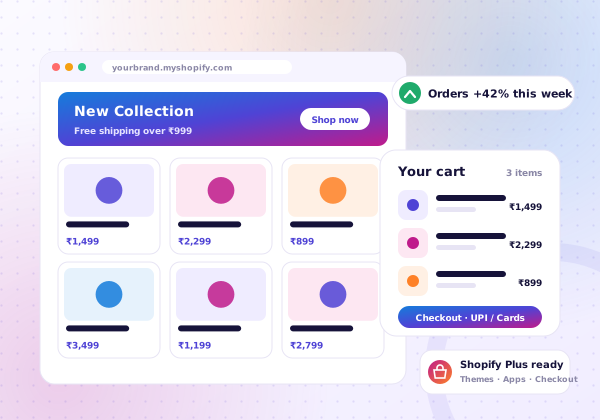
- Shopify suits most online stores that want a managed platform.
- WooCommerce or Magento suit stores needing deep customisation or complex catalogues.
- Custom code (for example Laravel or Next.js) suits web applications and very specific requirements.
The platform affects not only the build price but also running costs such as hosting, apps and maintenance.
5. Features and integrations
Each feature adds time: online payments, multi-language content, booking calendars, member logins, CRM or ERP connections, WhatsApp integration, search and filters. List the features you need now and the ones that can wait for a second phase.
6. Content, SEO and speed
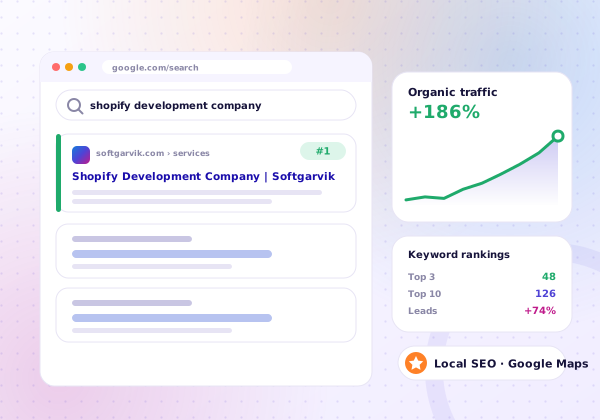
Someone has to write the text, source photos and prepare product data. Check whether the quote includes content writing, image optimisation and basic SEO (page titles, descriptions, sitemap, structured data). A fast, search-friendly website costs a little more to build but brings enquiries for years.
7. Support after launch
Websites need updates, backups and security fixes. Ask what happens after launch: is there a free support period, and what does a maintenance plan include?
A checklist for comparing quotes
- Is the scope written down page by page and feature by feature?
- Is the price fixed, or can it change? What counts as extra work?
- Will you see and approve designs before development?
- Do you own the domain, hosting account and source code?
- Are speed, mobile layout, security and basic SEO included?
- How long is free support, and what does maintenance cost?
How we quote
At Softgarvik Technologies we start with a free consultation, then send a written, itemised proposal with a fixed price and timeline. You approve designs before development, see weekly progress on a live link, receive the full source code and get 30 days of free support after launch. Learn more about our website design and development, WordPress and Shopify services, or ask for a free quote.